%2Ffit-in%2F250x250%2Fguide_websites%2F30029%2Fimages%2F1744932582739477451636_962276669397029_4767500830844638480_n-removebg-preview.png&w=1920&q=100)
Sharksucker Caught on Fishing Charter in Key West
Sharksucker Fishing in Key West - What to Expect
%2F%2Fusers%2Fabe8fa00-15be-4c9d-8897-d8d09d799b88%2Fimages%2Fkey-west-sharksucker-fishing-catch-2334.jpg&w=1920&q=75)
Fishing Charter by Captain Todd Ermisch in May
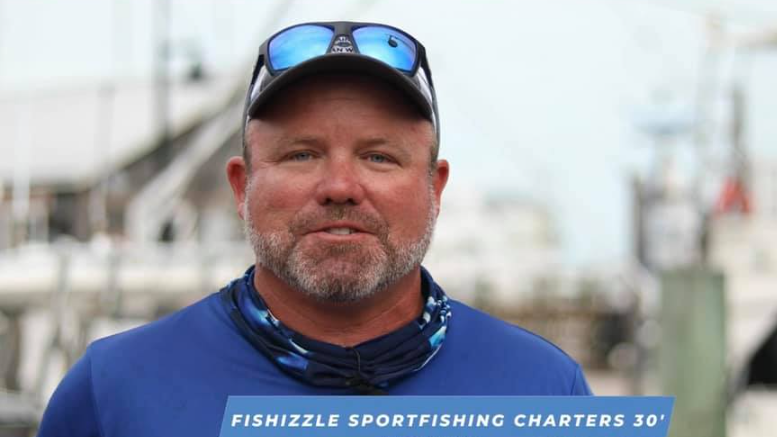
Meet your Captain Todd Ermisch
- Big Game Fishing Off The Coast


Summary
Join a fishing charter in Key West on Thursday, May 1st, where Captain Todd Ermisch of Fishizzle Sportfishing Charters brings anglers face-to-face with the unique sharksucker. This encounter showcases the diverse marine life thriving in Florida's offshore waters, blending excitement with genuine local expertise.
Fishing Charter with Captain Todd Ermisch - Rates & Booking
Captain Todd Ermisch of Fishizzle Sportfishing Charters departed on Thursday, May 1st, leading an unforgettable day on the water. When booking your charter with Fishizzle, you gain access to seasoned local expertise and the knowledge needed to connect with Key West's remarkable marine ecosystem. To secure your spot and learn about current rates and availability, contact the charter directly for booking details tailored to your group size and preferred date.
Highlights of Fishing in Key West
Key West fishing offers unexpected encounters that remind anglers why this destination ranks among Florida's premier fishing grounds. The waters surrounding Key West teem with diverse species, and moments like catching a live sharksucker create memorable stories. These encounters highlight the richness of offshore fishing and the surprises that await when you venture beyond the reef.
The clarity of Key West waters combined with abundant marine life creates ideal conditions for both seasoned anglers and newcomers. Each fishing day brings the possibility of unique catches and genuine connection with the local marine environment.
Local Species Insights: Sharksucker
The sharksucker stands as one of the ocean's most remarkable and often misunderstood fish. These elongated, streamlined creatures typically measure between one to three feet in length, featuring a distinctive sucker disc on their dorsal surface. This specialized adaptation evolved to create a vacuum-like attachment mechanism that allows sharksuckers to ride along with sharks, rays, and other large marine animals without exerting energy for propulsion. They feed on parasites and dead skin, creating a mutually beneficial relationship with their hosts.
Finding a live sharksucker on a fishing line presents an exciting moment of discovery. These fish inhabit warm offshore waters and deeper reefs, thriving in the Gulf Stream currents that sweep past Key West. Their presence indicates proximity to deeper offshore structure and the larger pelagic species that often follow. When caught, sharksuckers demonstrate surprising strength and determination, making them an engaging addition to any fishing expedition.
The sharksucker's habitat preference for deeper waters and reef structures makes Key West an ideal location for encounters. The offshore currents, reef systems, and abundant larger marine life create perfect conditions for these fascinating creatures to flourish. Anglers fishing the deeper channels and offshore grounds frequently encounter them, adding variety and intrigue to each day on the water.
Plan Your Fishing Day
When joining a fishing charter with Fishizzle Sportfishing Charters, come prepared for a full day immersed in Key West's marine environment. The charter experience combines exploration, opportunity, and genuine connection with local waters. Bring sun protection, comfortable clothing suitable for sea conditions, and an appetite for adventure. The offshore setting demands respect for ocean conditions, but Captain Todd's local knowledge ensures safe and productive time on the water. Whether you encounter sharksuckers, other offshore species, or simply experience the unmatched beauty of Key West waters, each charter day offers its own rewards and discoveries.
Fishing in Key West: Live Sharksucker
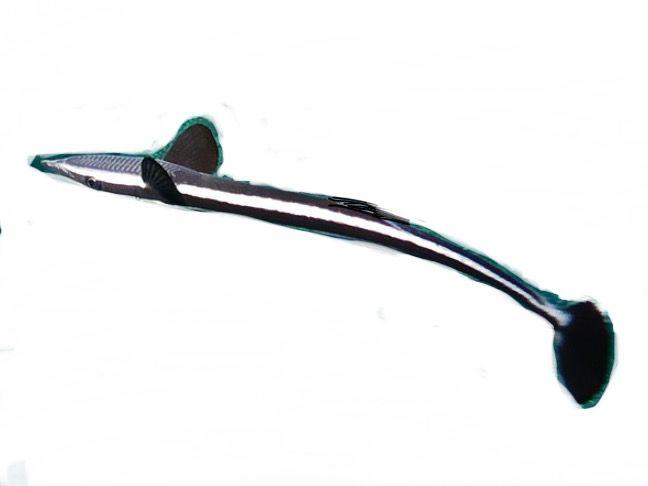
Live Sharksucker Overview
The Live Sharksucker (Echeneis naucrates), commonly called the White-tailed remora or striped remora, is one of the ocean's most intriguing and unusual fish species. Belonging to the order Perciformes and the family Echeneidae, this remarkable creature is instantly recognizable by its most distinctive feature: an oval-shaped suction disc derived from a modified dorsal fin located on top of its head. Rather than hunting or competing for food like most fish, the Live Sharksucker has evolved an ingenious lifestyle as a hitchhiker of the seas, attaching itself to larger marine animals and gaining a free ride through tropical and subtropical waters worldwide. This unusual adaptation has fascinated marine biologists and anglers alike for centuries, and encounters with this fish often spark wonder among divers and coastal explorers everywhere.
What makes the Live Sharksucker particularly captivating is not just its appearance, but its behavior and ecological role. These fish have become legendary in fishing lore, with stories of their use in traditional fishing methods passed down through generations. Whether you're exploring coastal waters off Miami or diving in the Caribbean, understanding this unique fish enhances your appreciation of marine biodiversity and the creative solutions evolution has produced for survival in the ocean.
Live Sharksucker Habitat and Distribution
The Live Sharksucker is considered circumtropical, thriving in all tropical and warm temperate waters across the globe, with the notable exception of the eastern Pacific Ocean. These fish are commonly found in both inshore and offshore environments, with the ability to venture to depths reaching up to 160 feet below the surface. Coastal reefs, open waters, and areas where large marine megafauna congregate are prime habitats for this species.
In regions like South Florida, the Caribbean, and throughout the Indo-Pacific, encounters with Live Sharksuckers are relatively common during warm months. They prefer areas with adequate prey and suitable hosts, making reef systems, deep channels, and offshore fishing grounds ideal locations. Around Miami and the Florida Keys, these fish are occasionally spotted attached to sharks, rays, sea turtles, and dolphins, particularly during peak diving and fishing seasons. Their circumtropical distribution means that anywhere tropical waters exist with sufficient marine traffic from larger species, Live Sharksuckers are likely present, waiting for their next opportunity to hitch a ride.
Live Sharksucker Size and Weight
Live Sharksuckers typically grow between 35 to 43 inches in length, with most specimens weighing between 8 to 12 pounds when fully mature. While these measurements might seem substantial for a fish, the Live Sharksucker's streamlined body design and relatively light frame make them appear smaller than their actual recorded sizes. Most individuals encountered in the field tend to fall toward the lower to mid-range of this spectrum, though occasional larger specimens have been documented.
The elongated and compressed body of the Live Sharksucker is perfectly adapted for hydrodynamic efficiency and for fitting snugly against their hosts. This body plan allows them to minimize drag while traveling and maximizes their ability to maintain contact with their larger companions throughout ocean voyages. Understanding these dimensions helps anglers and observers recognize the species at a glance and appreciate how perfectly their form matches their ecological function.
Live Sharksucker Diet and Behavior
The diet of the Live Sharksucker is remarkably variable and adaptive, changing significantly based on life stage and lifestyle. Juvenile Live Sharksuckers often function as cleaner fish at reef stations, where they feed primarily on small parasitic crustaceans living on other fish species' bodies, including isopods, ostracods, and copepods. This cleaning behavior is a form of symbiosis that benefits both the young remora and its larger neighbors.
As these fish mature and establish themselves with host species, their diet expands to include the host's leftover food scraps and any parasites they can access while traveling. By filtering water through their villiform teeth (small, hair-like teeth covering their jaws, vomer, and tongue), they capture microscopic food particles while navigating on their host's body. Live Sharksuckers without a permanent host often remain near shore and aggregate with other species, where they hunt free-living crustaceans, small fish, and squid independently.
Behaviorally, the Live Sharksucker is a passive opportunist. Its most famous trait is the ability to use its modified dorsal fin as a powerful suction disc, allowing it to attach firmly to sharks, rays, sea turtles, whales, dolphins, ships, and even occasionally inquisitive scuba divers. This attachment provides constant water flow over their gills (essential for respiration) and transportation to productive feeding grounds. Despite being capable of independent swimming, most Live Sharksuckers prefer the energy-efficient lifestyle of hitching rides.
Live Sharksucker Spawning and Seasonal Activity
Specific details regarding the spawning behavior and seasonal reproduction patterns of the Live Sharksucker remain limited in scientific literature, though they are believed to spawn in warmer months when water temperatures peak. Like many tropical fish species, Live Sharksuckers likely exhibit increased reproductive activity during summer and early fall periods when food availability is highest and ocean conditions are most favorable.
Seasonal activity patterns suggest that Live Sharksuckers are most visible to divers and anglers during the warmer months when large migratory species such as whales and sea turtles are present in greater numbers. Understanding these seasonal patterns helps divers and coastal researchers plan expeditions to maximize their chances of observation. Around locations like South Florida and the Caribbean, the most active periods align with tourism seasons and peak diving months, making summertime an ideal window for encounters.
Live Sharksucker Techniques for Observation or Capture
Method 1: Host-Based Observation and Capture
The most effective approach for encountering or catching a Live Sharksucker is to locate its host first. Sharks, rays, sea turtles, dolphins, and whales frequenting warm tropical waters are the primary vehicles for these remoras. Anglers seeking to land a Live Sharksucker traditionally use a unique technique: a fishing line is secured around the fish, and when it attaches to a host (such as a large shark), both the remora and its host are hauled aboard. This method is exceptionally practical for capturing large or difficult-to-catch marine species that might otherwise be nearly impossible to land. Around Miami and the Florida Keys, charter captains familiar with this technique occasionally employ it for specialty fishing experiences or scientific research purposes.
Method 2: Reef and Inshore Station Observation
Visiting established reef systems and inshore cleaning stations during daylight hours increases the likelihood of spotting juvenile Live Sharksuckers engaged in their cleaner fish behavior. Snorkeling or diving in calm, clear water over reef structures in 15-40 feet of depth is ideal. These young fish are often visible around larger fish and sea turtles, moving methodically across their host's body in search of parasites. Bring a good quality snorkel or dive setup, move slowly, and remain patient to avoid spooking these relatively small, cautious fish.
Method 3: Deep Water and Offshore Tactics
Offshore fishing in 60-160 feet of water occasionally yields Live Sharksucker encounters, particularly when targeting large pelagic species. Setting up chunked bait around deeper structures or following marine mammal activity can sometimes attract these fish. Use standard deep-sea fishing equipment and persistence; success is not guaranteed, but encounters are possible for dedicated anglers willing to spend time in offshore environments where large marine life congregates.
Live Sharksucker Culinary and Utilization Notes
The Live Sharksucker has little to no commercial or culinary value, and most fishermen and culinary experts consider it unpalatable and not worth the effort of preparation. The flesh is not known for flavor, texture, or nutritional benefit compared to conventional food fish species. From a sustainability perspective, there is virtually no pressure on Live Sharksucker populations due to complete lack of targeted or commercial fishing interest.
Historically, humans have utilized the Live Sharksucker for purposes far beyond food: in traditional fishing practices across various cultures, these fish have been employed as living tools to help capture their host species. Indigenous fishermen and early maritime explorers recognized the remora's unique attachment ability and adapted it into a clever fishing methodology. Today, this historical use remains primarily an interesting artifact of fishing lore rather than a practical modern technique, though research institutions and specialty fishing charters occasionally employ modified versions of this concept for scientific or experiential purposes.
Live Sharksucker Frequently Asked Questions
Q: What is the most effective way to catch a Live Sharksucker?
A: The traditional and most reliable method involves locating and attaching a fishing line to a Live Sharksucker, allowing it to latch onto a host animal (such as a shark or sea turtle), and then hauling both animals together. This technique has been used for centuries in tropical fishing communities. Alternatively, you can observe and photograph them while diving or snorkeling around reef systems without attempting capture, which is the preferred modern approach for most visitors and marine enthusiasts.
Q: Where can I find a Live Sharksucker near Miami or the Florida Keys?
A: Live Sharksuckers are distributed throughout South Florida's warm waters, particularly around offshore reefs, deep channels, and areas frequented by large marine megafauna. During summer and fall, offshore dive trips and fishing charters increase your chances of encountering them attached to sharks, rays, or sea turtles. In-shore reef systems around the Keys are also productive locations, especially for observing younger specimens during daylight hours in clear, calm conditions.
Q: Is the Live Sharksucker safe to handle or observe while diving?
A: Yes, Live Sharksuckers are harmless to humans and pose no threat. While they may attempt to attach to a diver's body with their suction disc (an unusual but not harmful experience), they are small and non-aggressive. If a remora attaches to you, it can be gently removed by reversing the suction or by slowly swimming away. Most divers find these encounters fascinating rather than concerning, and they make excellent photography subjects.
Q: Is the Live Sharksucker good to eat?
A: No, the Live Sharksucker has poor food quality and is not considered edible by culinary standards. The flesh lacks flavor and texture, and there is no commercial or recreational interest in harvesting these fish for consumption. Modern anglers and fishermen typically leave Live Sharksuckers alone, as they provide no substantive value as food or sport fish.
Q: When is the best time to see a Live Sharksucker?
A: The best season for observing Live Sharksuckers is during warm months (May through October), particularly when large migratory marine species are most abundant in tropical waters. Early morning and late afternoon dives or snorkeling trips often yield better visibility and more active fish behavior. Around the Caribbean and South Florida, summer represents peak season for tourism and aquatic activities, making it coincidentally ideal for remora encounters.
Q: How can I identify a Live Sharksucker if I see one?
A: Look for an elongated, dark grey to dark brown fish with a distinctive oval-shaped suction disc on top of its head. A characteristic lengthwise darker stripe with whitish margins runs along its sides, and the tail fin is primarily black with white corners. If the fish is attached to a larger animal (shark, ray, turtle, dolphin, or whale), you've likely spotted a Live Sharksucker. Its streamlined body and protruding lower jaw are additional identifying features that distinguish it from other fish species.